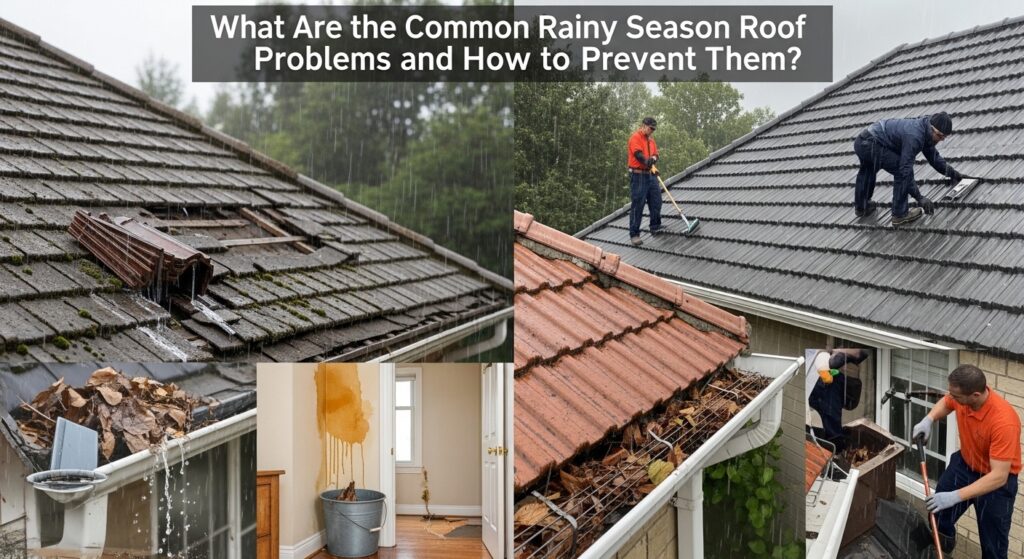
Rainy seasons bring relief from extreme heat and help restore natural balance, but they can also create serious challenges for homeowners. One of the most vulnerable parts of any house during heavy rains is the roof. From minor leakages to major structural damage, the impact of continuous moisture can lead to costly repairs if not addressed on time.
Understanding roofing maintenance for rainy seasons is essential to protect your home, ensure safety, and avoid long-term expenses. This detailed guide explains the most common roof problems that occur during monsoon and provides practical solutions to prevent them effectively.
Why Roof Maintenance Becomes Crucial in Rainy Seasons
Roofs act as the first line of defense against environmental elements. During heavy rainfall, wind pressure, water accumulation, and temperature fluctuations can weaken roofing materials. Without proper preparation, homeowners may experience serious rainy season roof problems such as leakage, mold growth, and structural damage.
Timely home roofing maintenance helps extend the lifespan of your roof and improves indoor comfort. Regular care not only prevents unexpected repair costs but also enhances the overall durability of the building.
Common Rainy Season Roof Problems
1. Roof Leakage and Water Seepage
One of the most widespread common roof issues during monsoon is water leakage. Cracked tiles, damaged shingles, or worn-out sealants can allow rainwater to enter the structure. Over time, this moisture may damage ceilings, walls, and electrical systems.
To address this issue, homeowners must focus on leak prevention for roofs by identifying vulnerable areas before the rainy season begins.
2. Blocked Gutters and Drainage Problems
Leaves, dirt, and debris often accumulate in roof gutters and drainage pipes. When heavy rains arrive, clogged pathways prevent water from flowing properly, leading to overflow and roof damage.
Regular cleaning and following effective roof maintenance tips can ensure smooth water drainage and reduce the risk of water pooling.
3. Cracked or Broken Roofing Materials
Tiles, shingles, and metal sheets can develop cracks due to aging or exposure to harsh weather. These minor defects may seem harmless at first but can quickly escalate into major structural concerns during monsoon.
Proper roof repair tips such as sealing cracks and replacing damaged materials help maintain structural strength.
4. Mold and Algae Growth
Continuous dampness encourages mold, algae, and fungal growth on roofs. This not only affects the appearance of the house but also weakens roofing materials over time.
Applying roof waterproofing tips and ensuring adequate sunlight exposure can minimize such biological damage.
5. Roof Sagging and Structural Weakness
Heavy water accumulation or prolonged moisture exposure can lead to roof sagging. This issue is particularly common in older homes where maintenance has been neglected.
A timely roof inspection rainy season helps detect early signs of structural instability and prevents potential collapse.
Preventive Measures for Rainy Season Roof Problems
Regular Roof Inspection
Conducting routine inspections is one of the best ways to prevent monsoon-related damage. Homeowners should check for cracks, loose materials, and water stains before and during rainy months.
Professional inspections can identify hidden issues and recommend solutions for effective roof safety during rains.
Waterproofing and Sealing
Applying waterproof coatings is a reliable method to prevent roof damage in monsoon. These coatings create a protective layer that resists water penetration and reduces moisture-related deterioration.
Modern waterproofing materials are designed to withstand extreme weather conditions, making them ideal for professional roofing maintenance for rainy season.
Cleaning Gutters and Downpipes
Maintaining clean drainage systems is crucial for preventing water accumulation. Regular removal of leaves and debris ensures proper water flow and reduces pressure on roofing structures.
Homeowners should include this step in their seasonal roof maintenance tips checklist.
Repairing Minor Damages Immediately
Ignoring small cracks or loose shingles can lead to significant problems later. Early intervention with proper roof repair tips saves time, money, and effort in the long run.
Using high-quality repair materials ensures durability and long-term protection.
Strengthening Roof Structure
For homes located in areas with heavy rainfall or strong winds, reinforcing the roof structure is essential. Installing additional supports or upgrading old materials improves overall resilience.
Such improvements are part of the best practices for roof protection during heavy rains, ensuring long-term safety and comfort.
Importance of Professional Roofing Maintenance
While basic maintenance tasks can be handled by homeowners, certain issues require expert attention. Hiring professionals ensures thorough inspection, accurate repairs, and proper installation of waterproofing systems.
Experienced contractors follow advanced methods for roofing maintenance for rainy seasons, helping homeowners avoid costly mistakes and ensure reliable protection.
Seasonal Roof Maintenance Checklist
To minimize the risk of rainy season roof problems, homeowners should follow a structured maintenance plan:
- Inspect roofing materials for cracks and wear
- Clean gutters and drainage pipes
- Apply waterproof coatings where necessary
- Check attic and ceiling for moisture signs
- Trim overhanging tree branches
- Schedule professional roof inspection rainy season services
Following this checklist helps maintain roof durability and ensures peace of mind during heavy rains.
Long-Term Benefits of Proper Roof Maintenance
Investing time and effort in roof care offers several advantages:
Increased Roof Lifespan
Regular maintenance prevents early deterioration, allowing roofing materials to last longer.
Improved Energy Efficiency
A well-maintained roof provides better insulation, reducing energy consumption for heating and cooling.
Enhanced Property Value
Homes with strong and secure roofing structures are more attractive to buyers and tenants.
Reduced Repair Costs
Preventive care eliminates the need for major repairs and emergency expenses.
Tips for Homeowners Living in High Rainfall Areas
In regions where rainfall is frequent and intense, additional precautions are necessary. Homeowners should:
- Use durable roofing materials resistant to moisture
- Install proper ventilation systems to reduce humidity
- Conduct multiple inspections throughout the monsoon
- Follow consistent leak prevention for roofs strategies
These measures ensure effective protection against environmental stress.
Future Trends in Roofing Solutions
Modern roofing technologies are evolving to address climate-related challenges. Innovations such as eco-friendly waterproof membranes, solar-integrated roofing panels, and advanced drainage systems are becoming increasingly popular.
Such developments contribute to smarter and more sustainable home roofing maintenance practices, enabling homeowners to adapt to changing weather patterns.
Conclusion
Heavy rains can cause serious damage if roofing systems are not properly maintained. By understanding what are the common rainy season roof problems and how to prevent them, homeowners can take proactive steps to protect their property.
Implementing effective roofing maintenance for rainy seasons involves regular inspections, timely repairs, proper waterproofing, and professional guidance when needed. These preventive measures not only ensure structural safety but also enhance comfort and property value.
By following consistent maintenance routines and adopting modern roofing solutions, homeowners can confidently face the monsoon season without worrying about unexpected roof failures. A strong, well-maintained roof is the foundation of a safe and comfortable home — especially during challenging weather conditions.