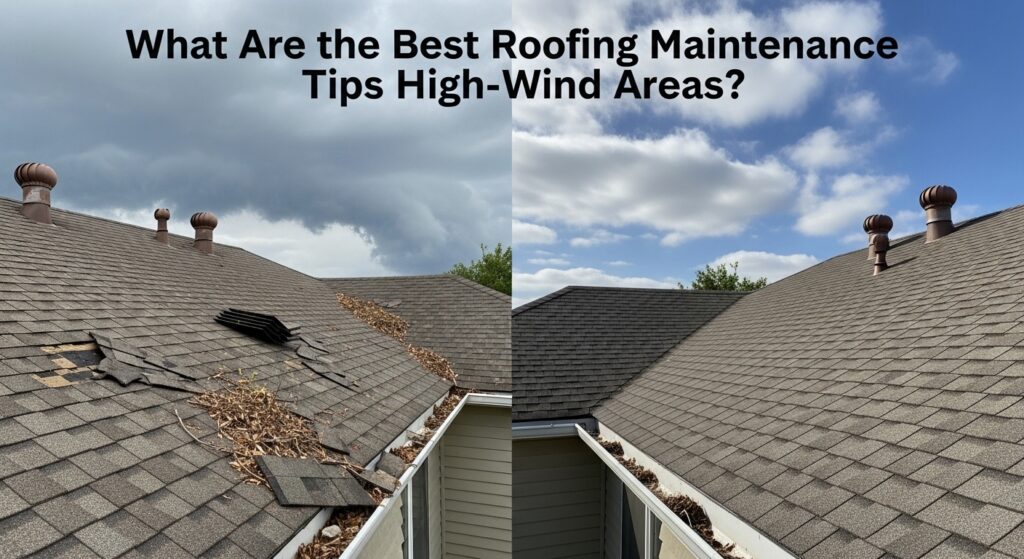
Homes and buildings located in coastal regions, open plains, and storm-prone areas are often exposed to powerful winds. These strong winds can cause severe roof damage if the structure is not properly maintained. Loose shingles, weak flashing, and clogged gutters can quickly turn into major problems when windstorms strike. This is why roofing maintenance for high-wind areas is extremely important for homeowners and property managers.
A well-maintained roof acts as the first line of defense against harsh weather conditions. Regular inspections, proper materials, and timely repairs help ensure that your roof remains strong and durable even during severe storms. Without proper care, high winds can lift shingles, damage roof edges, and even cause structural failures.
In this article, we will explore practical strategies, maintenance practices, and expert recommendations that can help protect your roof in windy environments. By following these guidelines, you can significantly reduce the risk of costly repairs and improve the lifespan of your roofing system.
Why High Winds Are Dangerous for Roofs
Strong winds create pressure differences around a building. As wind flows over a roof, it produces uplift forces that can pull roofing materials away from the structure. This effect is particularly strong along roof edges, corners, and ridges.
If roofing components are not securely installed or maintained, wind can easily loosen them. Once a small section becomes damaged, wind can enter underneath and cause even greater destruction.
For this reason, homeowners living in storm-prone areas must follow effective roofing maintenance for high-wind areas practices to protect their property from damage.
Importance of Regular Roof Inspections
Routine inspections are one of the most effective ways to prevent roof damage. By identifying problems early, homeowners can repair small issues before they turn into major structural failures.
A proper roof inspection checklist should include checking for loose shingles, damaged flashing, cracked sealant, and blocked gutters. Roof edges and corners should also be examined because they are more vulnerable to wind uplift.
Regular inspections are considered one of the most valuable roof maintenance tips for homeowners living in windy environments.
Professional roofing contractors often recommend inspecting the roof at least twice a year and after every major storm.
Choose Wind-Resistant Roofing Materials
The type of roofing material used on your home plays a crucial role in determining how well it can withstand strong winds.
Many modern materials are designed specifically to resist wind damage. Asphalt shingles with high wind ratings, metal roofing systems, and impact-resistant tiles are excellent options for homes located in storm-prone areas.
Installing wind-resistant roofing materials not only improves durability but also reduces the risk of costly repairs after storms.
Homeowners should always consult with roofing professionals to choose materials that match local weather conditions.
Secure Roof Edges and Flashing
Roof edges are the most vulnerable parts of a roofing system during high winds. If edge flashing or trim becomes loose, wind can easily lift the roofing materials.
Proper installation and maintenance of flashing are essential for maintaining roof protection from strong winds.
Roofing professionals often recommend using metal edge flashing and reinforced fasteners to keep the roof securely attached to the structure.
Regularly checking flashing around chimneys, skylights, and vents is also important because these areas can become weak points during storms.
Keep Gutters and Drainage Systems Clean
Clogged gutters can cause water to accumulate on the roof during storms. When combined with strong winds, standing water can weaken roofing materials and lead to leaks.
Cleaning gutters regularly helps ensure proper water drainage and prevents moisture buildup.
Maintaining clean drainage systems is an important part of storm-resistant roof maintenance, especially in regions that experience frequent storms and heavy rainfall.
Homeowners should also check downspouts and drainage outlets to ensure that water flows away from the roof and foundation.
Reinforce Roof Fasteners and Nails
Fasteners and nails play a crucial role in holding roofing materials securely in place. Over time, these components may loosen due to temperature changes, moisture exposure, or aging.
In high-wind areas, loose fasteners increase the risk of shingles or panels being lifted by strong gusts.
Reinforcing fasteners is considered one of the most effective high-wind roofing solutions for preventing roof damage.
Roofing professionals may recommend using additional nails or specialized fasteners designed for high-wind conditions.
Trim Nearby Trees and Branches
Trees located close to a building can become hazardous during storms. Strong winds may cause branches to break and fall onto the roof.
These falling branches can puncture roofing materials or damage gutters and flashing.
Regularly trimming trees helps reduce the risk of impact damage and supports effective roof storm protection.
Maintaining a safe distance between trees and the roof is especially important in areas that frequently experience hurricanes or strong storms.
Inspect and Maintain Roof Sealants
Sealants are used around roof penetrations such as vents, chimneys, and skylights. These materials help prevent water infiltration and keep roofing components secure.
However, sealants can deteriorate over time due to sun exposure, temperature changes, and weather conditions.
Regularly inspecting and replacing damaged sealant helps maintain roof repair and maintenance standards and prevents leaks during storms.
Properly sealed roofing structures are much better equipped to handle high winds and heavy rainfall.
Install Storm Straps and Roof Bracing
In regions that experience extreme wind conditions, additional structural reinforcement may be necessary.
Storm straps and metal connectors can be installed to strengthen the connection between the roof and the building frame.
These reinforcements help distribute wind forces more evenly across the structure.
Installing such reinforcements is often recommended as part of high-wind roofing solutions for homes located in hurricane-prone areas.
Schedule Professional Roofing Inspections
While homeowners can perform basic inspections, professional roofers have the expertise and equipment needed to detect hidden problems.
Professional inspections often include evaluating structural components, measuring wind resistance, and assessing material condition.
Contractors may also recommend upgrades such as improved flashing, stronger fasteners, or better weather-resistant roofing solutions.
Regular professional inspections are essential for maintaining storm-resistant roof maintenance standards.
Prepare Your Roof Before Storm Season
Preparing your roof before storm season begins can significantly reduce the risk of damage.
Homeowners should inspect their roofing systems, secure loose components, and clear debris from gutters and roof surfaces.
Checking attic ventilation and insulation can also improve roof performance during storms.
These preventive steps represent some of the best roof maintenance practices for windy areas.
Proactive preparation ensures that your roof is ready to withstand severe weather conditions.
Repair Minor Damage Immediately
Small roofing issues can quickly escalate into major problems if they are not repaired promptly.
Loose shingles, minor leaks, and cracked flashing may seem insignificant at first. However, strong winds can worsen these issues and cause widespread damage.
Addressing small repairs early helps prevent costly roof replacements.
Prompt repairs are an important part of preventing roof damage in high-wind areas and maintaining the overall integrity of the roofing system.
Strengthen Roof Ventilation Systems
Proper roof ventilation is important for maintaining structural stability. Poor ventilation can lead to moisture buildup and weakened roofing materials.
In high-wind areas, strong ventilation systems help regulate pressure differences within the roof structure.
Balanced airflow prevents moisture damage and supports overall roof protection from strong winds.
Installing ridge vents, soffit vents, and wind-resistant ventilation covers can improve roof performance.
Invest in Durable Roofing Materials
Durable materials play a crucial role in protecting homes from extreme weather conditions.
Modern roofing systems include materials designed specifically for harsh climates, including reinforced shingles, metal roofing panels, and composite tiles.
These materials provide better resistance to wind uplift and impact damage.
Choosing durable roofing materials ensures long-term reliability and reduces maintenance costs.
Maintain Attic Insulation
Attic insulation helps regulate temperature and moisture levels within the roof structure.
Proper insulation prevents heat buildup and reduces the risk of moisture damage.
In windy regions, maintaining insulation also helps stabilize internal air pressure, which can reduce stress on roofing materials.
Good insulation supports overall weather-resistant roofing solutions and enhances the durability of the roof.
Consider Professional Roof Upgrades
If your home is located in a region that experiences frequent storms, investing in professional roof upgrades may be beneficial.
These upgrades may include reinforced underlayment, improved fastening systems, or high-performance roofing materials.
Such improvements provide long-term protection and reduce maintenance requirements.
Roof upgrades are often recommended for homeowners seeking reliable wind-resistant roofing materials and maintenance strategies.
Conclusion
Protecting a roof in storm-prone areas requires careful planning, regular inspections, and proactive maintenance. Strong winds can cause significant damage if roofing systems are not properly maintained.
By following effective roofing maintenance for high-wind areas, homeowners can strengthen their roofs and reduce the risk of costly repairs.
Practices such as routine inspections, using durable materials, reinforcing fasteners, and trimming nearby trees all contribute to improved roof durability.
Implementing these strategies ensures better roof protection from strong winds and helps homeowners maintain safe and secure buildings even during severe weather conditions.
With proper maintenance and professional guidance, a well-built roof can withstand high winds and continue protecting your home for many years.