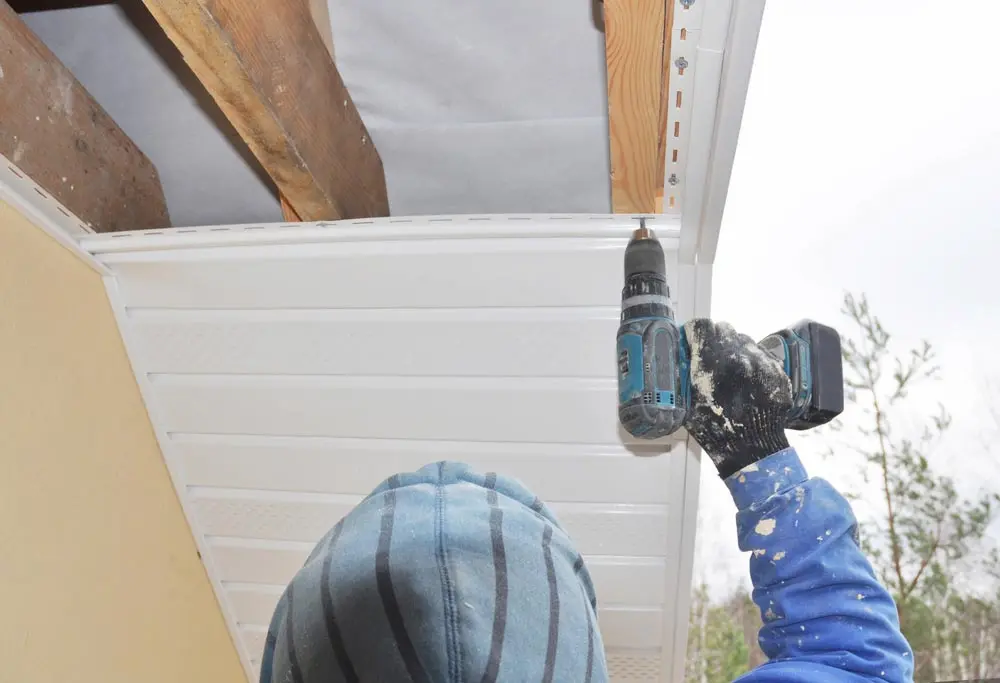
Of all the parts of your home’s roof, the soffit and fascia might be the most overlooked. You may have heard these terms before, especially if you’re looking into soffit repair. But what exactly are they? While often mentioned together, soffits and fascias are two distinct components that form a protective team for your home. Understanding this soffit and fascia partnership helps you see why keeping them in good condition matters so much for your roof’s health and your home’s protection.
What is a Fascia?
The fascia is the long, straight board that runs horizontally along the lower edge of the roof and is attached to the ends of the roof trusses or rafters. It’s the board on which you can see from the street your gutters mounted. Its main purpose is to be the first line of defense protecting the outside and the inside of the roof structure from weather, offering a neat finished appearance.
What is a Soffit?
If fascia is the vertical face, soffit is the horizontal one. If you stand underneath the overhang of your roof (the eave), and look up, the material that covers this space is called soffit. It’s not just for show; it is a functionally important feature. The soffit is what your roof uses to breathe, it gives fresh air access into the attic. This ventilation (it’s a breath of fresh air, after all) is crucial in keeping the air flowing and reducing heat and moisture buildup that can turn into mold, wood rot and ice dams in winter. Knowing what are soffit and fascia is the first step in appreciating them.
The Importance of Soffit Repair
A damaged soffit is not only unsightly, but also an open invitation to all sorts of trouble. Failing to consider soffit and fascia repair has serious consequences - often costly damage. Some of the most common indicators that it’s time to begin looking for “soffit repair near me” include:
- Obvious holes or rot: This is the most blatant one. Damage by woodpeckers, pests, or simply a long exposure to moisture can leave holes that make your attic vulnerable to the elements.
- Flaking Paint on Eaves/Overhangs: While this may be a painting issue, it can also indicate moisture that is accumulating behind the soffit board as a result of poor ventilation or leak.
- Trapped Critters: When you hear scratching, climbing, or scurrying (particularly at night), it’s likely that you’ve got animals in your eaves to which the pests gained access through a damaged soffit.
- Excessive Energy Bills: Blocked or damaged soffit prevents your attic from breathing correctly. In summer, a superheated attic makes your central air work harder; in winter it barely lets you insulation do its job.
- Mold or mildew is apparent: This indicates clogged ventilation holes or, in the case of internal condensation, visible moisture.
As soon as you see these problems, soffit replacement or repairs cannot be put off as home improvement projects.
Select the Appropriate Soffit Replacement Material
When it’s time to install or replace your soffit, you’ll find that there are several material options available to choose from. One way or the other comes down to durability, upkeep and looks.
- Vinyl Soffit – A highly sought-after option for contemporary houses, vinyl is favored for its durability, minimal maintenance needs and ability to resist moisture and insects. It won’t rot, peel or require painting and comes in a range of colors and styles (with vented panels to allow for critical airflow).
- Aluminum Soffit: Likewise, an aluminum soffit offers the same advantages as vinyl – it’s durable, lightweight and unaffected by rust. Aluminum soffit panels get the nod in large part because they offer a painted finish that can be color-matched to a home’s trim. They have great longevity and are the best option for most climates.
- Wood Soffit: This option is classic and elegant, providing all the high-end character wood offers. But wood soffit is high maintenance. It can be damaged by moisture, rot and insects and must be painted or stained to continue looking good.
There isn’t much of a debate between soffit and fascia materials because they are usually made from similar materials and are installed together. Many homeowners choose aluminum soffit with matching aluminum fascia covers to create a modern, uniform, and low-maintenance finish. Even in today’s modern decor, we are now choosing bold black soffits to produce sharp lines against a light exterior.
Soffit: Installation and Repair The Process
Moderate soffit repair itself may be manageable by a fairly confident handyperson, but substantial damage or full soffit replacement is up to the pros. Putting in your soffit the right way very much is a careful job that influences both how the house breathes and the protection afforded against weather.
The process typically involves:
- Inspection and Removal: The worn-out soffit panels are inspected to check if the wood underneath has been damaged by pests or rot. Any issues must be repaired before moving to the next step.
- Prep: Measure and cut new soffit board or panels to size. And it’s also important to have a combination of solid (covered) and fully-vented soffit panels that allow air to circulate into the attic.
- Fitting: The new panels are fixed in a channel system on the wall and the fascia. This gives a polished look that adapts easily to your home’s changes. Moderate soffit repair may be doable for a confident handyperson. However, substantial damage or full soffit replacement should be left to the pros. Installing your soffit correctly is important. It affects how your house breathes and how well it protects against the weather.
- Fascia Integration: Very few soffit and fascia fixes stand alone. And while you are replacing the soffit, it is also a good time to repair or replace any rotting fascia boards with new, durable fascia trims.
Understanding how to install soffit properly is crucial in helping it do its job over the long haul, and professional assistance can be highly beneficial.
The Top-down Defense of Your Home
The soffit roof junction is the least of your concerns in home ownership at first glance. But as the old saying has it, “And there’s the rub.” Soffits and Fascia Your soffits and fascia are your home’s important first line of defense. They regulate airflow, help your roof resist water and pests, and maintain the stability of the entire structure.
Knowing what a soffit is helps you spot when it needs repair. This shifts you from reacting to problems to actively maintaining your home. Caring for your soffit is key to a safe and attractive home. You can choose the rustic charm of wood or the durability of vinyl or aluminum. Each option has its benefits, so pick what suits you best. Don’t wait for a small issue to become a major repair; give these unsung heroes the attention they deserve.